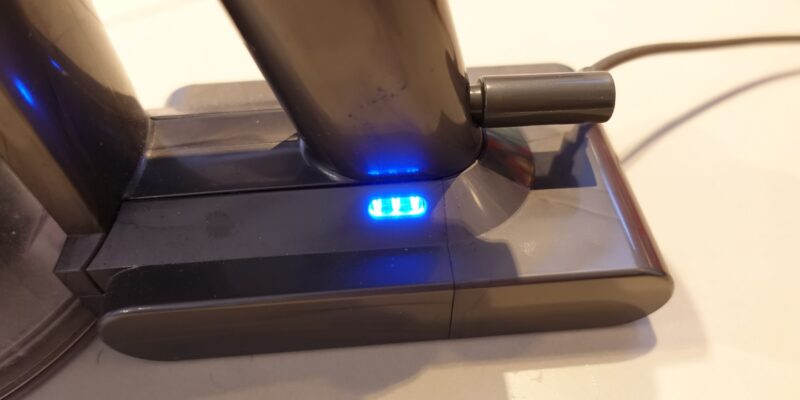
A Dyson DC23 powerhead that fails to spin can disrupt cleaning efficiency, but most problems stem from preventable or repairable causes. Common culprits include debris buildup, mechanical obstructions, electrical faults, or worn components. This guide walks you through diagnosing and resolving these issues, from basic maintenance to advanced turbine replacement. Whether you’re dealing with a stalled brush roller or intermittent motor performance, actionable solutions exist—from simple cleaning routines to 3D-printed part upgrades. Understanding these fixes empowers you to extend your vacuum’s lifespan and avoid costly replacements.
Affiliate disclosure: As an Amazon associate, We'll earn a commission for every successful order through our affiliate links in the article. However, you won’t be charged anything for this.
By following structured troubleshooting steps, such as inspecting the black spiral connector, checking wire connections, or replacing faulty turbines, you can restore optimal functionality. For persistent issues, we’ll explore cost-effective DIY alternatives like 3D-printed turbines and lubrication techniques. Let’s dive into the specifics of what causes these problems and how to address them.
Common Causes and Immediate Fixes
Cleaning the Brush Roller and Spiral Connector
A frequent cause of a non-spinning powerhead is hair and debris around the brush roller or the black spiral connector. To address this:
1. Detach the brush head and remove the roller.
2. Check if the spiral connector rotates freely. If not, use a screwdriver or specialized tool to remove tangled debris.
3. Inspect behind the connector for hidden buildup—users have resolved issues by clearing hair trapped in this area.
Even minor obstructions can impede rotation, so thorough cleaning is essential.
Disassembling the Brush Head for Internal Obstructions
If cleaning the roller fails, disassemble the brush head to check for lodged objects:
1. Fully dismantle the brush head to access the roller and internal components.
2. Remove any plastic fragments, dust, or debris obstructing the mechanism. One user fixed their DC23 by extracting a piece of plastic stuck inside the roller.
Internal blockages often mimic motor failures, making this step critical for accurate diagnosis.
Power and Electrical Checks
Battery and Motor Performance
Weak battery power can cause intermittent or failed brush head operation. Ensure:
– The battery is fully charged and capable of sustaining motor power.
– The motor emits audible signs of running (e.g., humming). If the motor sounds active but the brush doesn’t spin, the issue may lie in power delivery rather than the battery itself.
Inspecting Wire Connections
Loose or damaged wiring can disrupt electrical flow to the brush head:
1. Open the brush head and examine wires for fraying or disconnection.
2. Secure loose connections or replace damaged wires. A user resolved their DC23’s issue by tightening a loose wire.
Faulty wiring often causes the brush head to stop after a few seconds of operation.
Advanced Repair: Replacing the Turbine
Symptoms of Turbine Failure
The turbine (impeller) transfers rotational force to the brush head. Signs of failure include:
– Cracking sounds during operation.
– Non-circular shaft holes or uneven brush rotation.
– Reduced spinning speed despite a functional motor.
Replacing the turbine can restore performance, especially if cleaning and electrical checks fail.
Tools and Materials
- Replacement turbine (or 3D-printed alternative)
- Precision screwdriver set, flathead screwdriver, pliers
- Safety glasses and a clean workspace
Step-by-Step Replacement
- Disassemble the Vacuum Head: Remove screws securing the base plate and expose the turbine housing.
- Remove the Old Turbine: Unclip the electrical connector and use pliers to extract the turbine. Clean the housing thoroughly.
- Install the New Turbine: Press the replacement into place, reattach the electrical connector, and secure the base plate. Align the turbine with the rotational arrow marked on the housing.
3D-Printed Turbine Option
A cost-effective alternative involves a 3D-printed PLA turbine (cost: £0.05–£0.10). Ensure precise scaling (4.9mm for a 5mm shaft) and retain the rubber gasket for airflow seals. Testing confirms comparable performance to original parts.
Heat and Lubrication Solutions
Managing Overheating
The motorhead’s control board may overheat if the motor stalls frequently, requiring a cool-down period. Prevent overheating by:
– Avoiding prolonged use on high-resistance surfaces.
– Ensuring the brush roller spins freely to reduce motor strain.
Lubricating Bearings
Dry or lint-clogged sleeve bearings hinder smooth operation. To resolve:
1. Disassemble the brush bar and clean bearings with alcohol.
2. Apply silicone spray (avoid WD-40, which attracts dust) to reduce friction.
Proper lubrication extends the lifespan of moving parts and prevents stalling.
Frequently Asked Questions (FAQ)
How do I check if the brush roller is obstructed?
Remove the roller and inspect for hair or debris around the spiral connector. Test the connector’s rotation manually—if it’s stiff, clean it thoroughly.
What are the signs of turbine failure?
Look for uneven spinning, cracking noises, or a motor that runs without driving the brush head. A damaged turbine often requires replacement.
Can I use a 3D-printed turbine?
Yes! A PLA filament turbine offers a budget-friendly solution. Ensure proper alignment and retain the original rubber gasket for optimal airflow.
Conclusion
A Dyson DC23 powerhead not spinning is often fixable with basic maintenance or targeted repairs. Start by cleaning the brush roller and spiral connector, then check for internal obstructions and electrical issues. For persistent problems, replacing the turbine—either with an original part or a 3D-printed alternative—can restore functionality.
Regular lubrication and heat management further prevent recurring issues. If DIY fixes fall short, consider third-party replacement heads, as Dyson’s customer support may not always provide timely solutions. By prioritizing proactive care, you’ll maximize your vacuum’s performance and longevity.