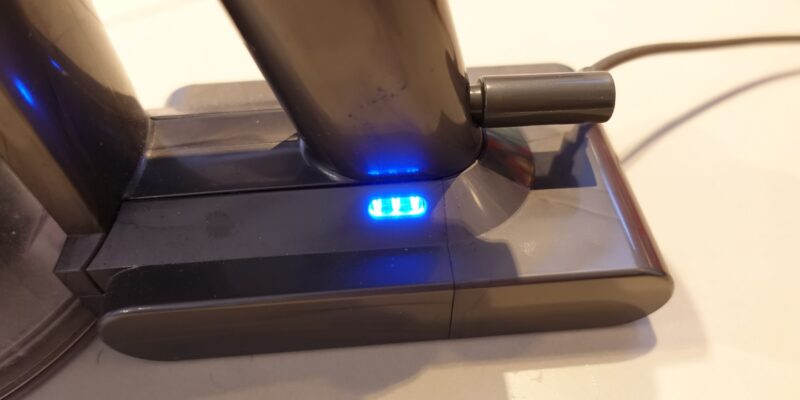
A malfunctioning Dyson DC39 trigger head can disrupt cleaning routines and lead to frustration. When the brush roll fails to spin, the vacuum’s effectiveness plummets, leaving dust and debris behind. This guide tackles the root causes of the issue, provides actionable repair steps, and offers maintenance tips to prevent future problems. Readers will also discover user insights, troubleshooting tricks, and when to seek professional help. Whether dealing with tangled hair, a worn belt, or mechanical failure, this article equips Dyson owners with the knowledge to restore their vacuum’s performance.
Affiliate disclosure: As an Amazon associate, We'll earn a commission for every successful order through our affiliate links in the article. However, you won’t be charged anything for this.
The DC39’s trigger head relies on a delicate balance of mechanical and electrical components. From the brush roll’s rotation to the motor’s power delivery, any disruption can halt functionality. This guide breaks down the most common culprits, including blockages, belt wear, and the notorious flange detachment issue. With clear instructions and practical advice, resolving these problems becomes a manageable task. Let’s dive into the causes and solutions to get your Dyson back in action.
Common Causes Behind the Dyson DC39 Trigger head Malfunction
The Dyson DC39 trigger head’s failure to spin often stems from a handful of recurring issues. Hair, threads, or debris the brush roll, creating physical obstructions that halt rotation. Over time, the brush roll belt can stretch, fray, or snap, disconnecting the motor’s power from the roller. A faulty motor might also be to blame, especially if the vacuum has overheated or been overworked.
Internal blockages in the motor or pulley assembly can prevent smooth movement, while loose or damaged wires disrupt electrical connectivity. One unique flaw in the DC39 is the detached flange component, which disengages the suction-blocking mechanism. This defect, often emerging after two years of use, forces the brush to spin continuously. Identifying these root causes is the first step toward a successful repair.
Troubleshooting the Dyson DC39 Trigger head: A Step-by-Step Approach
Step 1: Unplugging the Vacuum
Safety first: Disconnect the Dyson DC39 from the power source before beginning any repairs.
Step 2: Removing the Bottom Plate
Locate and unscrew the bottom plate using a standard screwdriver. Gently lift it off to expose the brush roll and internal components.
Step 3: Inspecting and Clearing the Brush Roll
Check for tangled hair, threads, or debris. Use scissors or a razor blade to carefully remove obstructions. If the brush roll shows visible damage or missing bristles, replace it.
Step 4: Replacing the Brush Roll Belt
Remove the brush roll and inspect the belt for wear. Slide the old belt off the motor spindle and brush roll. Install the new belt, ensuring proper tension and alignment. Reinsert the brush roll securely.
Step 5: Checking the Motor and Pulley Assembly
Examine the motor spindle and pulley for debris or misalignment. Verify that wires are connected and intact. Apply lubricant to dry bearings if necessary.
Step 6: Reassembly and Testing
Reattach the bottom plate, tighten screws, and plug the vacuum back in. Test the brush roll to confirm it spins freely. If issues persist, revisit earlier steps.
Addressing the DC39 Flange Detachment Issue
The DC39’s design flaw—detachment of the flange component—prevents the suction-blocking mechanism from engaging. Unfortunately, this mechanical failure cannot be resolved through user repairs. The flange must reattach to a cup beneath the brush assembly to function correctly. As no DIY fix exists, replacing the entire trigger head is the recommended solution. Consider third-party replacements (often cheaper than Dyson’s £50-£60 price tag) or sourcing a used head from platforms like eBay.
Since the flange detachment issue requires replacing the entire trigger head, finding a suitable replacement is crucial. This ensures the vacuum cleaner functions as expected.
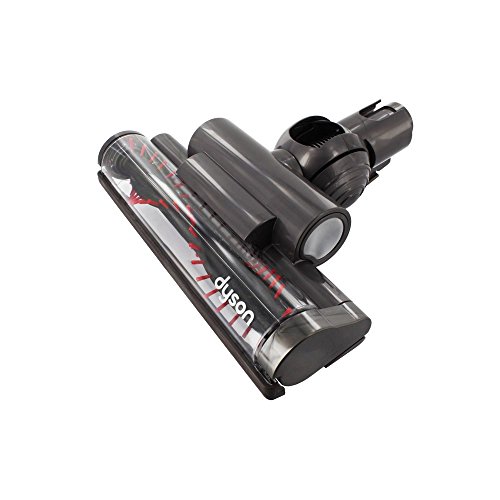
Genuine replacement for DC39 triggerhead

Official motorized brushroll replacement

Budget-friendly floor tool alternative
Maintaining Your Dyson DC39 Trigger head
Preventive care extends the lifespan of your DC39’s trigger head. Follow these tips:
– Clean the brush roll after every 2–3 uses to remove hair and debris.
– Inspect the belt regularly for wear and replace it proactively.
– Check airflow to avoid suction blockages that strain components.
– Avoid forcing stuck parts; disassemble and clean instead.
– Replace worn components like flanges or gears every 2–10 years, depending on usage.
Frequently Asked Questions (FAQ)
Why won’t my Dyson DC39 trigger head spin?
Common causes include debris buildup, a broken belt, motor failure, or the flange detachment flaw. Start by clearing obstructions and checking the belt.
How do I clean hair from the brush roll?
Use a spoon or notch tool to twist off the roller cap. Cut trapped hair with scissors (avoiding red bristles), then reassemble the roller.
Can I fix the detached flange on my DC39?
No. This mechanical defect requires replacing the entire trigger head. Third-party options are often more affordable than Dyson originals.
What tools are needed for repairs?
A screwdriver set, scissors, replacement belt, and Torx/star driver are essential. Lubricant and a funnel may help with advanced fixes.
Should I contact Dyson support?
Yes. Dyson’s customer service (US: 866-693-9766, UK: 0800-298-0298) can guide repairs or provide replacement parts.
Conclusion
The Dyson DC39 trigger head’s spinning issue, whether caused by debris, wear, or design flaws, demands a methodical approach. By following this guide’s repair steps and maintenance advice, users can resolve common problems and extend their vacuum’s lifespan. For the flange detachment defect, replacement remains the only solution. Regular cleaning and proactive part swaps will keep your DC39 performing like new. If doubts persist, Dyson support or a trusted repair service offers expert assistance.